

"2023" Archives

Archive page

Ultimate beginner's guide

Negative Gearing – Why Running Your Property Investing Business at a Loss Is a Bad Idea

There’s a lot of talk in the business world about “running your property at a loss” just to claim negative gearing. But what does that mean, exactly? And is it something you should be doing with your business? In short, running your business at a loss means operating your business at a net loss. This means that your operating expenses are greater than your revenue. In this video, we’ll discuss what it means to run your property investing business at a loss, and some of the reasons why you might want to do it. There are a few reasons why someone might think this is a good idea. For one, they may believe that they can deduct their losses from their taxes. And while it’s true that you can deduct the business losses on your taxes, are you really losing more money than if you bought a self-sustainable property? So why would you choose this method if you are really losing money? Is it unreasonable to think that you might be running your business at a loss because you don’t have the right systems and strategies in place? Are there other ways to structure your business so that it can run more efficiently, without relying on negative gearing? There are many factors to consider when determining whether or not “running your business at a loss” is the best approach for you. I just want to make this clear that negative gearing is not a strategy but an outcome. Negative gearing is used by investors to minimize their taxable income. It’s achieved by owning an investment property and renting it out for less than the mortgage repayments, insurance, and other associated costs of ownership. The loss incurred each year is then offset against any other income earned, such as salary or wages. Negative gearing explained in simple terms Disclaimer, The figures below are for demonstration purposes only and does not constitute financial advice. We recommend consulting a professional before making any financial decisions. Let’s say you purchase an investment property for $500,000 with a 20% deposit of $100,000. This leaves you with a loan of $400,000. Assuming the interest rate on your loan is 5% and an interest-only loan, your annual mortgage repayments would be $20,000. But that’s not all – you also have to factor in the costs of ownership, such as insurance, council rates, and maintenance. Let’s say these come to a total of $5,000 per year. This means that your total costs of ownership are $25,000 per year ($20,000 + $5,000). And if you’re only able to rent out the property for $18,000 per year, you’re running at a loss of $7,000 ($25,000 – $18,000). The idea behind negative gearing is that the loss incurred each year can be offset against other forms of income, such as your salary. So if you earn $50,000 per year and you make a loss of $7,000 from your investment property, your taxable income will only be $43,000 ($50,000 – $7,000). Now let’s imagine your rent is 25,000 which covers all your expenses. In this case, your investment property is not running at a loss. Though you’re not running at a profit either. So in this instance, you are not going to get any further tax savings as your rent has covered your expenses. So before choosing this approach, it’s important to consider whether are saving $7000 or are you losing $7000 in potential earnings. Running your property at a $7000 loss means out of your wage you are going to have to add an additional $7000 to support the loan and expenses. Let’s imagine that your tax rate is at 50%, using the lesser-rent example of 18,000. Because you have used that 7,000 out of your wage to support the rental property instead of paying tax on the 7000 you have saved 3500 in the tax you would have paid on the 7000. This means that you have saved around 3500 in tax you would have paid, but have you saved 3500 or have you lost an additional 3500 of income? So it’s not unreasonable to think you wasting money to save on tax? Think of it from the perspective of running a business. If your business is making a profit, that’s great. But if your business is running at a loss, it’s not so great. In fact, it’s probably not sustainable in the long term. It’s quite sad to think, that time, and time again professionals or high-income earners will do anything for a tax deduction, yet they would never consider running their business at a loss! Is this a lack of education for high-income earners? Are there professionals like accountants so focused on reducing their taxable income that they forget they are actually earning less money? It’s funny that most people assume because someone is a high-income earner they must completely understand the best ways to reduce their taxable income. Or you go to some random accountant who has never actually achieved anything fantastic themselves and taken their advice and end up losing money. Being a high-income earner, Unfortunately, doesn’t mean you are going to have the education to make the right decisions with your money. There are many professionals that have little or no understanding of taxes and deductions, which leads to them making bad decisions. What are the risks of running your business at a loss? There are a few risks associated with running your business at a loss. For one, it can put a strain on your finances. Is your other income guaranteed? What if you lose your job or have an unexpected medical expense? In addition, running your business at a loss can also lead to burnout. When you’re constantly trying to make ends meet, it can be easy to get overwhelmed and burnt out. This can lead to poor decision-making and can even put your health at risk. So why do people high-income earners, and everyday people get prayed upon? Think about it,…
Buy New Vs Old When Investing In Property

New Vs Established Property Investing – Which One Grows More? 

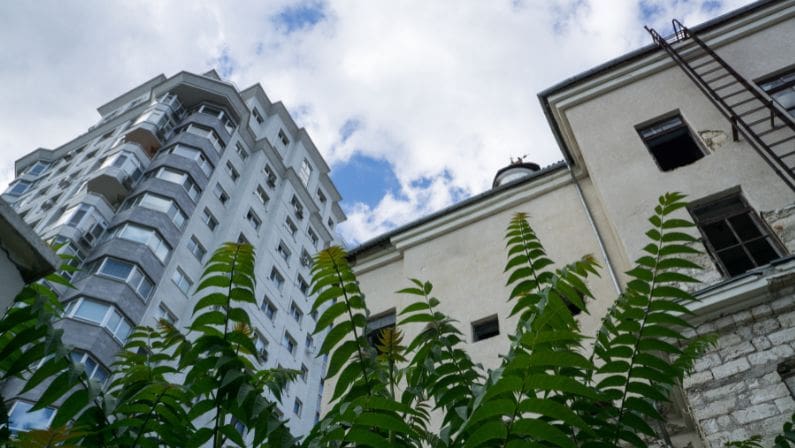
New things are shiny and exciting and who doesn’t like the idea of paying 0 tax? It is natural for us to be attracted to shiny new things and would want to possess them instantly. However, when it comes to real estate investment, this may not always prove to be a good thing. While buying new property certainly has its own appeal and presents an opportunity for you to get some tax incentives and be less maintenance than established property, being transparent we want to bring you both sides of the story. In this blog we want to talk about the differences between buying a new vs established property. Also, the whether or not you can pay no tax with new property and whether or not you should invest in new vs established. Which One Grows More In Value? Property Will Be Forever Supply Vs Demand There are a few factors that drive up demand for property and these are population growth, location, job opportunities and land scarcity. There are also a few things that drop demand for property which is available stock, also location, affordability and overall appeal. Whether we are buying new vs established, how much stock is being introduced into the market will also have a big impact on the demand and supply of property. It’s not unreasonable to think while stock is being introduced and built, that supply will be greater than demand. Also, How many areas around the immediate market also have approval for new developments, so how much stock is being built in these areas? So we are starting to understand that stock being introduced into any market is not a good thing to demand. You also have appreciation vs depreciation. Appreciation comes with scarcity, limited supply and demand. We understand that land is the scarcest thing in the world, and no more land can be made, so the longer an area has been held the scarcer it becomes. We are starting to understand the land grows in value, but is it unreasonable to think the building itself is going to get older over time, it’s going to start to cost money to maintain at some point, and its value is going to drop. Yes, the building is going to depreciate while the land is only going to appreciate. Example Of Growth On A New Vs Established House Purchased At The Same Time Let’s say the established house is over 30 years old, vs the new house that is being built. The new properties’ land was purchased for 500,000 and the build cost 500,000 so a mil in value, while the established house and land were also bought for 1 mil. Which one will grow more? The land grows at an average of 7% compound per year. The established property has nearly fully depreciated at this point and the only value on the property is the land. The established house would grow 70,000 in that 1st year, but would a new property be the same? It’s not unreasonable to think with the shortage of labour and materials that a new build could take up to 2-3 years for the house to be built. So in these 2-3 years, there could be no growth on the new property, because it’s a build. So how would you compare that to the established house? The value of the established home is growing at 7% per year but on the full value of what you purchased which is 7%. Even if the new property did grow in value we understand that the value of land is only 500,000 so you would only get 3.5% growth of the full value of the purchase. Post-construction Growth: Is It Substantial? So far the established house is winning in terms of growth. So what happens once the build is done? Do you get your growth then? And how much? This will depend on how much stock is still being introduced into that suburb by the developer, and how much stock is still being built. If the developers are still introducing and selling stock then your not going to see growth for many years until they stop. There is another factor we are going to bring into this, and that is the depreciation of the new build. According to the ATO, you can often claim 2.5% of a property’s construction cost every year for 40 years from the date it was built. But we all know what it’s like the minute you drive a new car out of the dealership, the value dramatically drops. So you would expect the same for a new build. Tho for the purpose of using raw research and the ATO figures, for the new house, let’s say your land appreciates at 7% but your build depreciates and 2.5%. So while your land Grew 35k in the 1st year, your build has dropped 12,500 in the 1st year also. As you can see the growth is being hindered by the depreciation of the new build plus when the build actually finishes. Tax Exemptions: Truth or Just a Sales Trick? I know what you’re going to say next, what about all the tax exemptions like depreciation and negative gearing you will get on a new property? How many times have you seen these ads telling you that you will pay 0 tax or there are 2 tax secrets if you watch their webinar? I’m going to be blunt, these tax savings are a myth and more of a ploy to get you to buy new property.  You really need to understand the people selling these new properties and the motivations they have behind selling these new properties. You join one of these buying clubs that are cheap and over low memberships that promise you all this access to off-market stock, showing you how much depreciation you’re going to get back at tax time. These aren’t even off-market properties, this is stock they are selling you where they make a…

Building And Pest Inspection

What you need to know about Building And Pest Inspections When Buying Real Estate

Imagine buying a house and then realising it’s a dud. It’s not so fun when you end up spending hundreds of thousands of dollars on repairs to your new property ​and can’t get your money back. ​ Fortunately, there’s a way to avoid this horror scenario, and it comes in the form of a building and pest inspection report. This guide takes you through what’s involved with both types of inspections, including how much they cost, which parts are inspected and more. If you’re looking to buy a property then this blog is for you. Don’t let fate decide your future – instead, take the time and learn about buying a property whether it’s your first time or you’ve done it before. Hopefully, by the end of this, you can be well on your way to learning how to treat property like a business. Importance of building and pest inspections Due diligence is crucial to make sure a building is safe and sound. It is important for the property buyer to know what the property consists of, ensuring that there are no hidden concerns or issues that may lead to bigger problems in the future. When purchasing a property, it is important to ensure that the building and pest inspections are completed. No matter how old or new the property is, these inspections are essential in order to protect yourself from any unexpected surprises. This is where you get an inspector to come in and check the condition of the building, look for signs of pests or termites, and see if any major repairs or defaults are there. Let’s break this down into 2 sides, you have a building inspection and you have the pest inspection. Both of these are independent of each other but are both very important. A building inspection looks at the structure and integrity of the property, while a pest inspection checks to see if there are any types of pests like termites or rodents that may be damaging the property from the inside out. Building Inspector Let’s first talk about the building inspector. When looking for a building inspector it is also important to find an inspector who has the experience and qualifications necessary to do the job properly. Don’t be scared to call and interview your building inspector to ensure that you are getting someone who is qualified and up to date with the current building regulations. With experience comes knowledge so you would want to check the inspector has at least 5 years of experience and a full builders license. Pest inspector The 2nd person you need is a pest inspector or someone who has experience in pest management. This is important to identify if there are any infestations of pests or termites as this could lead to bigger issues and more expensive repairs in the future. Experience in pest inspections is also essential, so again check qualifications and license and we still would suggest looking for someone who has at least 5 years of experience in pest inspections. While these are 2 separate tasks, you can get an inspector who does both to save time and money. This will ensure that you are getting a complete overall evaluation of the property and can make an informed decision about whether or not to purchase the property. Let’s work with you using a professional that does both. Tasks for the building inspection You’ve found a reputable inspector, it is important to know what they will be looking for during the inspection. The tasks for the building inspection are as follows: Inspecting the building’s structure and materials to identify any defects or damages Checking for any water damage, cracks, moulds, and other forms of decay Identifying safety hazards like electrical faults and gas leaks Checking for signs of infestation or termite activity Inspecting the building’s systems such as plumbing, drainage, and ventilation Brief appliance testing such as water heaters, dishwashers, and ovens Providing a thermal image evaluation of the areas to identify any drafts or insulation issues You should also be aware of what is included in the pest inspection: Checking for signs of pests like termites, rodents, and other insects. Evaluating the property’s risk factors associated with pests. Inspecting the building for entry points that pests could use to get inside Checking cracks in walls or foundations for signs of termite activity Inspecting areas like under the house and inside cabinets for any signs of infestation Examining furniture and other belongings for any signs of pests or eggs Checking for any signs of water damage or mould that could attract pests Identifying any weak spots that may need repairs to prevent pests from entering the property Building and pest inspections limitations While understanding the importance of both building and pest inspections is essential, it is also important you know the limitations of these inspections. These limitations include: – The inspector may not be able to access certain areas of the building, such as crawlspaces or attics if they are blocked off or inaccessible. – In some cases, the property may be too old and have outdated building materials that are no longer in compliance with current regulations. – Pest infestations can be difficult to identify if there are not any visible signs or evidence, so it is also possible for pests to go unnoticed during the inspection. -They aren’t licenced for electrical, plumbing, gas fitting or drainage, so these areas and systems may need to be evaluated by separate professionals. -Some things, like asbestos, for example, may not be able to be picked up during an inspection. -It is possible that there may be more serious underlying issues with the property that are not visible during the inspection and can only be found through further investigation, such as a structural engineer. Obviously, we are starting to understand the roles which a building and pest inspection play on our property decisions, but at what point would you carry these out? Should arrange a building…

Home Ownership_ Understanding the Costs and Maintenance Requirements

Navigating Home Ownership: Understanding the Costs and Maintenance Requirements

‍As a homeowner, there are a lot of costs and maintenance requirements that you need to be aware of. It can be overwhelming to try and understand everything that goes into owning a home, but with a little bit of knowledge and preparation, you can navigate the world of home ownership with ease. In this video, we will be discussing the different costs involved in owning a home, as well as the maintenance requirements that come with it. Hopefully, by the end of this, you can be well on your way to learning how to treat property like a business. Introduction to Home Ownership and Understanding the Different Costs Involved Owning a home is a big responsibility, and it’s important to understand the different costs involved. These costs can include things like: As a homeowner, there are many costs that need to be taken into consideration and all these expenses do add up quickly. One of the most common and unavoidable costs is council rates. Understanding Council Rates and How They Are Calculated Council rates are fees that are charged by local councils to help fund local services and facilities. These rates are calculated based on the land value of your property and can vary depending on which local government area (LGA) your property is located in.  So a 600sqm block as opposed to a 1000sqm block would have different rates and you would expect that the larger block size land would result in higher council rates to be paid. The land value of your property can generally be found on your council rates bill. Different Council Rates and How They Vary Across Different LGAs As previously mentioned, council rates can vary depending on which LGA your property is located in. Some LGAs may have higher rates than others, so it’s important to research the rates in your area.  For example, some LGAs may have more parks and recreational facilities than others, which can result in higher rates. There are even different bin sizes and types of bins that each LGA has. So some have green waste, red waste and recycling. Some just have red waste and recycling. Understanding Bin Days and Bin Types in Different Areas Bin days and bin types can vary depending on which area you live in and because some areas have different-sized bins or different collection schedules, it’s important to be aware of these differences. All of these factors result in the amount that you pay for council rates. Council Collections and Pick Ups In addition to bin collections, your local council may also offer other collection and pick-up services like collecting different types of bulky items like furniture and older appliances that you longer have use of. Be sure to check your council guidelines as there will be items that they will not take. Understanding the rules and regulations set out by your local council is essential in making sure that you are following the proper guidelines. You would also want to consider saving money where you can.  For example, some councils charge for bin replacements and some don’t and therefore you would want to look after your bins as best as possible and saving money where you can is an important consideration as the last thing you want to do is notice your costs all adding up and increasing for reasons that aren’t necessary.  It’s the same thing for water rates and usage. These are also unavoidable however are something that you can control and put certain measures in place to reduce the amount that you are using. Water Rates and Usage Water rates are charged by your local water authority and are based on the amount of water that you use. It’s important to be mindful of your water usage to avoid high water bills. There are a number of things that you can do to reduce your water usage and lower your bills.  For example, you can install water-efficient appliances and fixtures, like water-saver shower heads, fix any leaks, and reduce your overall water usage by taking shorter showers and using a water-efficient washing machine. Additionally, you can research what water-saving programs your local council may offer. Water rates and usage are generally charged quarterly however it’s up to the water company to decide how and when they bill you. There are some companies out there that will read the water meter monthly or in some cases only twice a year being biannual. So make sure you read the terms and conditions of your water bill to understand how often you will be billed for your usage. Having said this, different companies charging different rates at different times isn’t just for water and in fact, the same thing can be said about electricity rates and usage. Electricity Connection Rates and Usage The billing cycle for electricity and usage is anywhere between 1 to 3 months. The date that your bill is generated and sent to you is the bill cycle date. So, your rates notice for example may be generated on the 15th of every month, this means that your billing cycle is the 15th of every month. Otherwise, quarterly or bi-monthly bills come every 2-3 months. Just like water, electricity rates and usage, Electricity rates may vary depending on your energy provider. Your energy provider charges electricity connection rates and are a one-time fee for connecting your property to the electricity grid. These fees can vary depending on your provider, so it’s essential to shop around and compare your options. In addition to connection rates, you will also be charged for your electricity usage. It’s important to be mindful of your electricity usage to avoid high bills. You can reduce your electricity usage by using energy-efficient appliances and turning off lights and electronics when not in use.  As you can see there are ways to reduce your usage across different rates, fees and charges when it comes to the costs of running a home. I’m sure you can imagine…